Recent cultural highlights
including 3 exhibitions, 2 films and a punk podcast

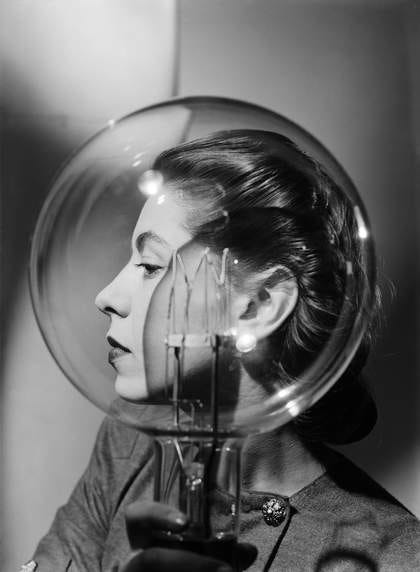
(Lee Miller, Model with lightbulb, Vogue Studio, London, England c.1943)
Lee Miller at Tate Britain
It’s been an Tate-heavy month for me with three major exhibitions. The Lee Miller exhibition at Tate Britain is the most extensive retrospective of her photography staged in the UK and is a must see. It spans an astonishing career, from her participation in French surrealism and work and relationship with Man Ray to her fashion and war photography.
The separate room of pictures she took at the Buchenwald and Dachau concentration camps, weeks after their 1945 liberation are as important as they are distressing - “I IMPLORE YOU TO BELIEVE THIS IS TRUE” Miller telegrammed the British Vogue editor shortly after her visit to Dachau.
Her pictures of the immediate fallout after the war are amongst her strongest. The exhibition also includes some lesser known pieces such as her images of the Egyptian landscape in the 1930s. The scale and scope of this exhibition (including the accompanying notes) give a sense of her life (although there is no reference to the sexual abuse she suffered as a child). It is an incredible body of work by an incredible woman.
Lee Miller is at Tate Britain until 15 February 2026
“The sky governs everything”*
Also on at Tate Britain is the wonderful and spectacular Turner and Constable: Rivals and Originals exhibition which (almost literally) blew me away. Celebrating the 250th year of their births (JMW Turner was born in 1775 and John Constable in 1776), it highlights the competition between these two great British painters. Turner is often perceived as the more radical artist compared to the more ‘traditional’ Constable, but with over 170 paintings and works on paper on display we discover some surprising sides to both. It is fascinating to see how in many respects they complement each other. Yes, the big pictures are spectacular and breath-taking, but the notebooks and personal artefacts are also very special.
*Quote by John Constable
Turner and Constable: Rivals and Originals is at Tate Britain until 12 April 2026
Performance Picasso
Someone who Lee Miller photographed many times throughout her career was Pablo Picasso (he also painted her portrait six times). The Theatre Picasso exhibition at Tate Modern has divided critics: Waldemar Januszczak hailed it “the most thrilling show at Tate Modern in years” whilst Laura Cumming (one of my favourite art critics) described the show’s presentation as “contrived and contradictory”. Curators Wu Tsang and Enrique Fuenteblanca, we are told, examine Picasso “through the contemporary idea of ‘performativity’”. Whilst I had a few reservations about the display which weaves you from ‘backstage’ to audience member where Picasso’s The Three Dancers (in its centenary year) is ‘centre stage’, I really enjoyed the exhibition and liked the curatorial challenge. The Acrobat (1930), on loan from the Musée Picasso in Paris, was a highlight.
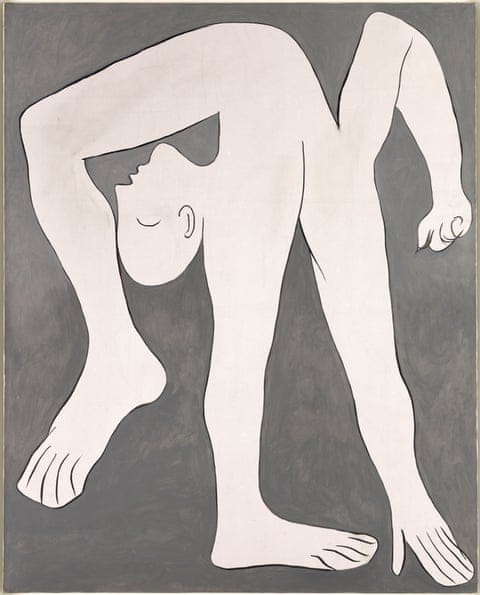
(Pablo Picasso, The Acrobat 1930)
Theatre Picasso is at Tate Modern until 12 April 2026
Maximum Roach
I have written in a previous column in praise of Max Roach. The legendary jazz drummer, composer and activist was the subject of a terrific recent BBC Radio 3 Composer of the Week. Thoughtfully presented by Kate Molleson, the programme also contains outstanding insight and analysis from Kevin Le Gendre who describes Roach as “one of those pivotal figures that everyone needs to know about”. Le Gendre also quotes Roach himself who said “I’m in the universe of vibrations”.
A couple of (very different) films
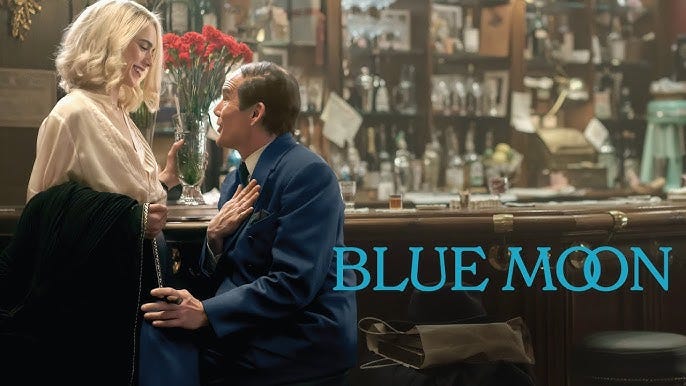
My cinematic trips this month included a couple of excellent but very different films. I really enjoyed Blue Moon, Richard Linklater (director) and Robert Kaplow’s (screenwriter) film about the great lyricist Lorenz Hart. Ethan Hawke is fabulous as Hart in this chamber piece set in New York’s Sardi’s restaurant and bar in 1943 on the opening night of Oklahoma! by his former songwriting partner Richard Rodgers (played brilliantly by Andrew Scott). Try not to let the overenthusiastic on-screen representations of Hart’s diminutive height (he was reputedly little more than 5 foot) put you off.
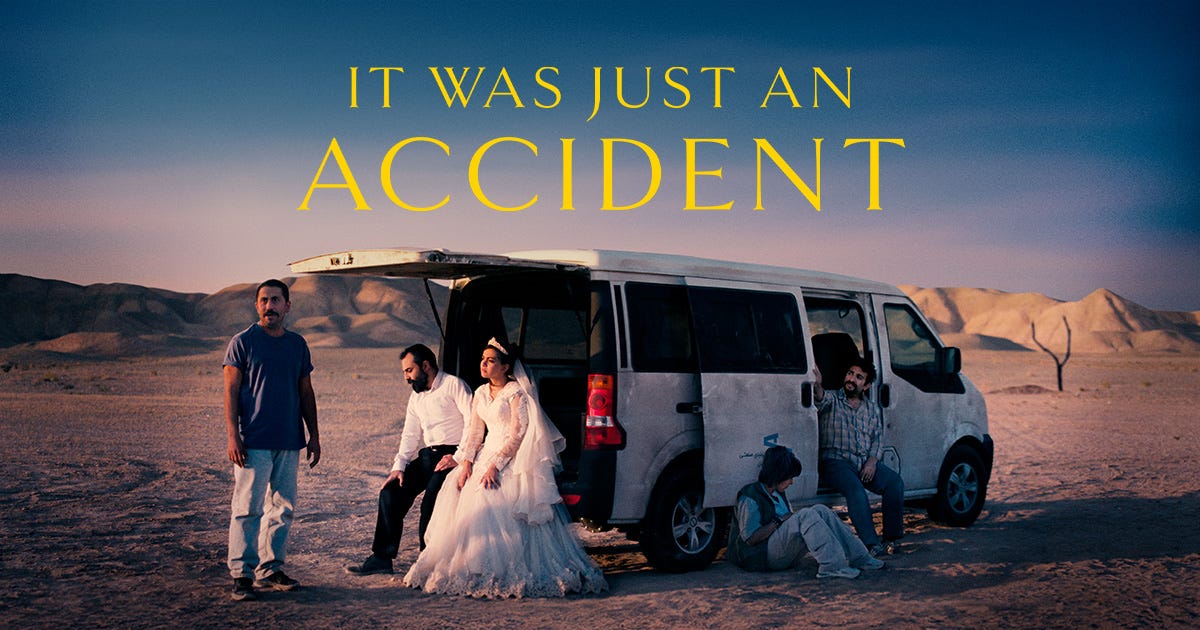
I also saw Jafar Panahi’s It Was Just an Accident which is a gripping and at times comic and absurd tale of corruption and torture in Iran. The film is all the more remarkable when considering the circumstances in which it was made. Recommend.
In praise of fucked up punks
Caroline Collett gives one of the best accounts and descriptions of experiencing the baptism of punk rock that I have heard in a recent episode of the Punk Scholars Network podcast. It includes her reading a wonderful extract from her pending book with the fabulous line “unlike the hippies who came before us and the ecstasy generation that followed, punks were more fucked up than loved up. And perversely proud of it too”. Collett is also excellent on the sensibility of punk beyond the music.
In praise of art history
“Art, architecture and objects left behind by people who lived before are elemental; they are the history of us”. I didn’t study art history and I didn’t do any A-levels but I loved this great piece by Helen Barrett for Apollo on “art history scepticism”.
And finally…
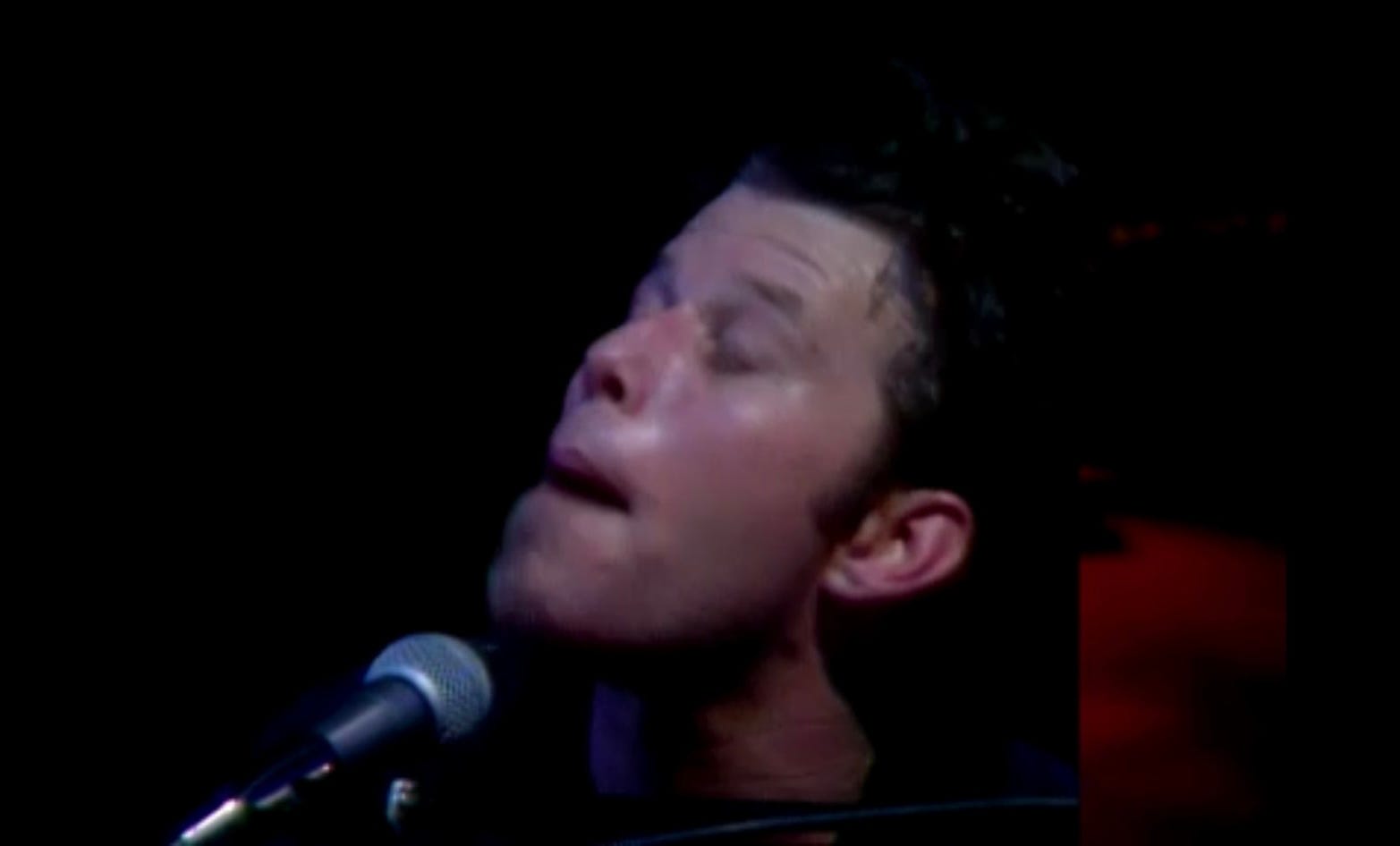
Tom Waits’ Christmas Card from a Hooker in Minneapolis is one of the great (and oft-neglected) Christmas ballads. Here’s a video of a performance from December 1978 from PBS: Austin City Limits, with a bit of added Silent Night here.